
I grew up watching movies and TV shows that, without me realizing it, shaped the career I would eventually choose. There was Andy Sachs in The Devil Wears Prada, navigating the glamorous world of publishing while holding on to her dream of becoming a writer. There was Andie Anderson in How to Lose a Guy in 10 Days, so determined to write a meaningful story that she accidentally found herself in the middle of one. There were the newsroom politics and PR scandals in Bombshell, making media look fast-paced, influential, and exciting. For years, careers in Social Media, PR, Advertising, and Marketing felt larger than life because of the way pop culture portrayed them.
These jobs seemed to offer the perfect combination of creativity, ambition, and glamour. The people working in them were always attending events, pitching brilliant ideas, meeting influential people, and changing the course of their careers with a single article, campaign, or conversation. Compared to the more conventional careers people around me spoke about, these felt alive.
Even today, the fantasy continues. Emily in Paris might be one of the most unrealistic depictions of marketing ever created, yet millions of people watch it and secretly wish they had her job. Emily walks into a meeting, pitches an idea in under five minutes, and somehow receives instant approval. Campaigns come together overnight, clients are impressed almost immediately, and every challenge seems to have a stylish solution. Her version of marketing involves luxury brands, rooftop parties, and spontaneous moments of genius.
Then there’s The Bold Type, which made careers in publishing, writing, and media feel equally aspirational. The three protagonists navigate ambitious careers while somehow maintaining thriving personal lives, close friendships, and infinite confidence. Their boss is demanding but endlessly supportive. Even their mistakes somehow lead to growth. Watching shows like these, it’s easy to believe that creative industries operate on instinct, passion, and a little bit of luck.

The reality, as anyone working in SPAM will tell you, is very different.
Yes, the industry can be creative. There are moments when you get to brainstorm exciting campaigns, work with interesting brands, or see an idea you’ve spent weeks refining finally come to life. Those moments are real, and they are often what keep people in the industry. But what movies and television rarely show is everything that happens between those moments.
They don’t show the endless revisions. They don’t show writing ten versions of the same headline because none of them feel quite right. They don’t show spending hours on a pitch deck only for the client to reject the concept in a ten-minute meeting. They don’t show social media managers being asked why a post didn’t perform well, as if virality can be manufactured on command. They don’t show writers staring at blank documents when deadlines are approaching or marketers juggling multiple campaigns while trying to prove ROI to clients who expect immediate results.
When I eventually entered this world myself, I realised that I had been both inspired and misled.
The inspiration wasn’t the problem. Those movies and shows genuinely pushed me toward a creative career. They made me believe that storytelling could be a profession and not just a hobby. They made me want to work in industries where ideas mattered. In many ways, I am grateful for that. Had I not spent years watching journalists, writers, marketers, and editors on screen, I may never have pursued this path at all.
The illusion, however, was believing that creativity was the whole job.
Nobody tells you that creative work often involves sitting with feedback that completely contradicts the feedback you received the day before. Nobody tells you that some of your favourite ideas will never see the light of day. Nobody tells you that the majority of your time will be spent refining, tweaking, editing, adjusting, and trying again. The glamorous campaign launch might last a day, but the work behind it can take months.
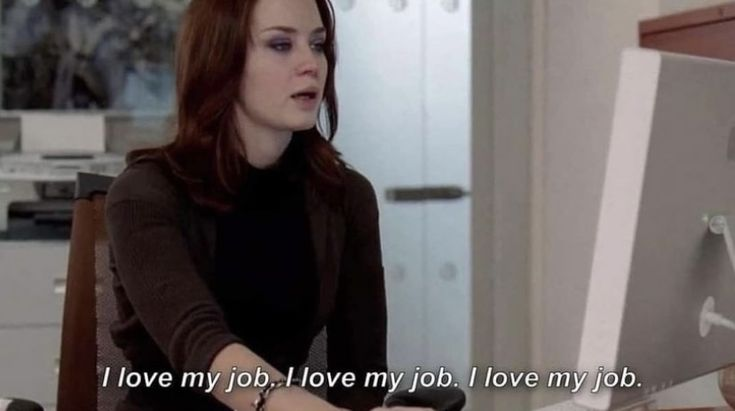
I often think about how many people in SPAM were probably influenced by the same movies and shows. Many of us grew up consuming stories about publishing, media, fashion, advertising, and journalism. We entered these industries expecting creativity and excitement, and we found them. We also found chaos, uncertainty, unrealistic expectations, impossible deadlines, and an endless demand for new ideas.
The funny thing is that despite everything, I still wouldn’t choose anything else.
I complain about revisions. I complain about deadlines. I complain about engagement metrics and client feedback and campaigns that don’t perform the way they were supposed to. But I also know I would struggle in a career that wasn’t built around ideas and storytelling. The reality is far messier than what The Devil Wears Prada or Emily in Paris promised, but it’s also far more real.
Maybe that’s the truth those movies leave out. Working in SPAM isn’t glamorous every day. Most days are spent behind a laptop, rewriting, editing, planning, posting, and solving problems. But every once in a while, an idea works.
And for a brief moment, it feels exactly the way the movies said it would.
Image credits: Pinterest