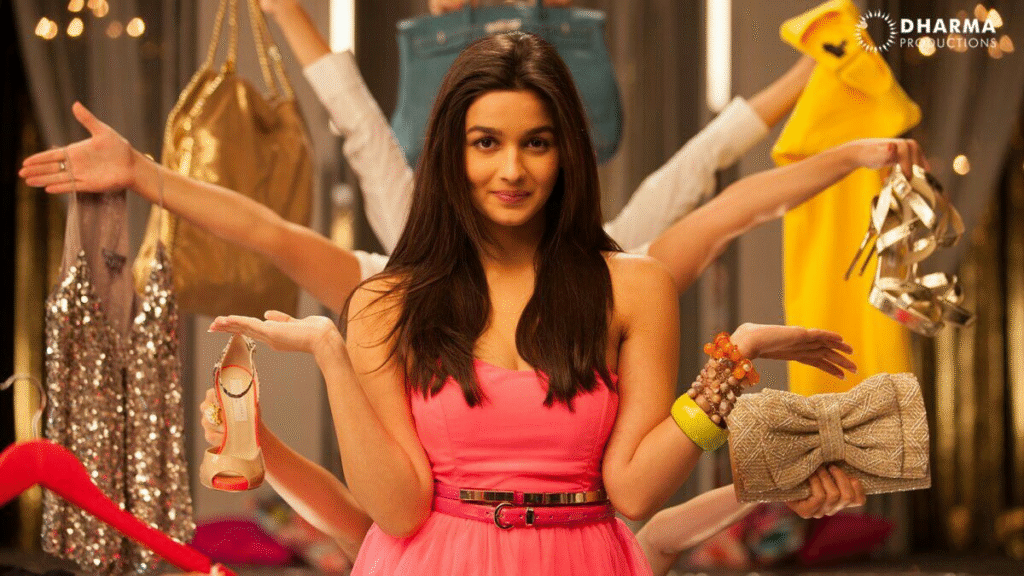
Growing up watching Alia Bhatt make her grand entrance as Shanaya, dancing to Radha and living what seemed like the ultimate college life, shaped my childhood in more ways than I can explain. It gave me an (admittedly unrealistic) aspiration to experience university just like the Student of the Year gang: glamorous parties, complicated love triangles, designer wardrobes and, somehow, the time to excel at absolutely everything. If only my younger self knew better.
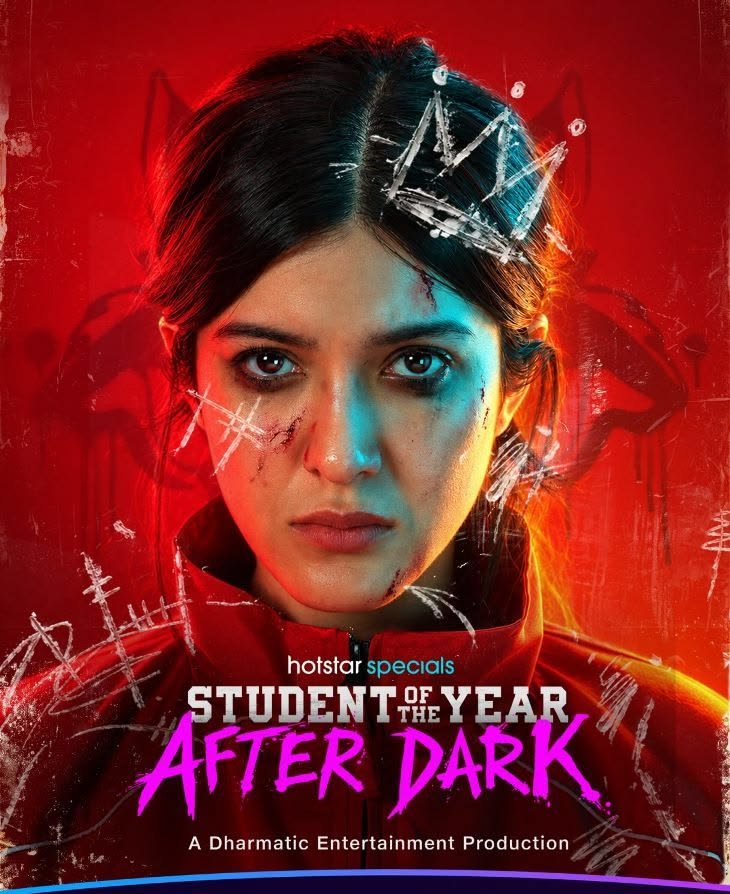
But with the arrival of Student of the Year: After Dark on JioHotstar, I find myself asking a rather different question: where did all the glamour go? Where did the romance, the larger-than-life friendships and the rose-tinted version of college life disappear? Somewhere along the way, the glitter has given way to something considerably darker.
The new series has all the ingredients of a good thriller. Backstabbing friends? Check. A deadly game show? Check. A persistent investigator? Check. But beyond the twists and turns, what makes the viewing experience interesting is how the story is presented. The on-screen graphics add another layer to the narrative, almost turning the audience into participants in the investigation. From the narrator’s notes on potential suspects appearing on screen to markings, annotations and visual cues that highlight clues as the mystery unfolds, the series makes a conscious effort to keep you involved. You’re not just watching people solve a mystery, you’re being nudged to piece it together yourself.
And perhaps that’s where the biggest departure from the original lies. The first Student of the Year sold us a fantasy of youth where everything was aspirational. The clothes, the friendships, the romances, even the rivalries looked like something straight out of a mood board. Conflict existed, of course, but it was wrapped in designer outfits, elaborate dance sequences and a soundtrack that made even heartbreak look glamorous.
After Dark, on the other hand, seems to be tapping into a very different appetite. The idea of friendship is no longer necessarily about finding your people, it’s also about figuring out who you can trust. Competition isn’t simply about winning a title, it can mean outsmarting, manipulating or eliminating someone else. The stakes have changed, and so has the way we like our entertainment served.
Which brings me to a larger question: are we collectively moving towards a grungier, darker aesthetic when it comes to the stories we consume?
Look at the popularity of survival-based reality shows and psychological thrillers. From Squid Game, which started the obsession of it all, to The Traitors and Lock Upp, audiences seem increasingly fascinated by watching people navigate suspicion, betrayal and high-pressure situations. The appeal isn’t just about finding out who wins. It’s about watching relationships crumble, alliances form and people reveal sides of themselves they might otherwise keep hidden.
There’s also something particularly interesting about the voyeuristic nature of these formats. We get to sit comfortably on our couches while watching someone else deal with a terrible day. We speculate, pick favourites, question motives and occasionally feel rather pleased that our own lives aren’t quite as dramatic. It’s entertainment, yes, but it’s also a fascinating exercise in human behaviour.
Perhaps this shift reflects a generation that has become less interested in perfect, aspirational worlds and more curious about what happens behind the facade. We’re used to seeing carefully curated lives on social media, where everything from friendships to holidays comes with its own aesthetic. Maybe fiction that pulls apart these picture-perfect worlds feels more compelling because it gives us the messiness that carefully edited reels leave out.
That doesn’t necessarily mean we’ve fallen out of love with glamour. We still enjoy beautiful clothes, extravagant settings and larger-than-life characters. But perhaps glamour alone isn’t enough to hold our attention anymore. We want a little suspense with the spectacle, a little chaos with the couture and a few red flags alongside the romance.
Maybe we’ve simply grown up with the franchise. The audience that once dreamed of being Shanaya, Shanaya’s friends or the next Student of the Year has grown older, a little more cynical and considerably more aware that real life rarely comes with a Radha soundtrack.
And perhaps that’s the biggest change of all. The rose-coloured glasses are off. We’re still here for the drama, only now we’d rather watch it unfold with a suspect list, a few plot twists and absolutely no idea who to trust.
Until next time!
Image credits: Pinterest/ Instagram